Bayplan AI — the stowage plan, matched to what really moved
Import the vessel BAPLIE, read the bay plan, let the AI tighten the stowage and crane sequence, then reconcile every planned move against what was really loaded and discharged — per vessel call, with proof.
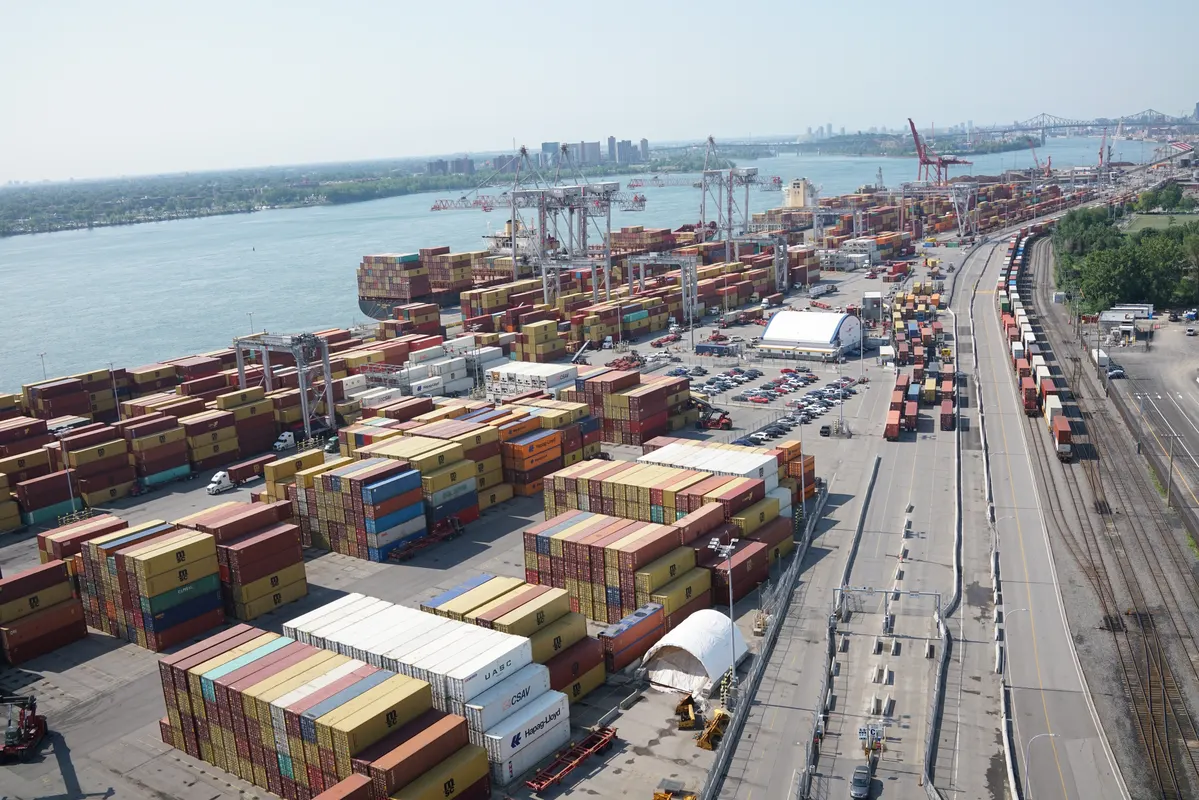
Built for terminals that plan vessels every day
From the BAPLIE handshake to the quay, one shared view for planners, foremen and the shipping line.


One plan, end to end
Six tasks the planning desk does by hand today, done once and shared.
Import any BAPLIE
Live bay view
AI stowage optimization
Crane sequence builder
Rehandle reduction
Planned vs done, with proof
From the EDIFACT message to the hook
Bayplan AI sits between the shipping line’s stowage message and your terminal operations. It reads the plan, checks it against the real vessel profile, and hands your team a stow and a crane sequence they can work — then watches reality come back move by move.
Reads the real vessel
Keeps the stow legal
Learns your terminal

Crane sequence, not a guess
Five steps, one shared plan
No new tool for the gang to learn — it starts from the message you already receive.
1 · Import
2 · Bay view
3 · Optimize
4 · Execute
5 · Reconcile
Import the BAPLIE
Drop the stowage message (EDIFACT 3.1/2.x) or an Excel plan. The vessel profile and bays load at once.
Read the bay plan
See the stow by bay, row and tier, colour-coded by weight, discharge port and reefer.
AI optimizes
The engine proposes a tighter stow and a crane sequence that respect stability and rotation.
Work the call
Foremen work the sequence; every load and discharge is captured move by move.
Reconcile & report
Planned versus done per call, with exceptions flagged and a report your line can trust.
What a tighter plan returns
Indicative ranges from stowage reconciliation on container vessel calls — your mix will differ.
Fewer rehandles
More crane moves / hour
Minutes to check a plan
Vessel calls reconciled
Shorter berth time
One version of truth
Evidence, not debate
Fewer rehandles, lower emissions
Every avoided re-stow is a crane move that never burns fuel, and a gantry that travels less. A tighter stow and a shorter berth stay cut the terminal’s energy per box — measurably.
Less idle, less diesel
kg CO₂ / avoided rehandle
Lower energy per box
Everything the planning desk needs
Five modules, one plan — from the BAPLIE handshake to the report your line signs off.
Any plan, validated on the way in
Supports EDIFACT BAPLIE 3.1 and 2.x, MOVINS and Excel, so the plan you receive is the plan you work.
A tighter, legal stow
Special cargo — reefers, DG, out-of-gauge — keeps its rules while the rest of the plan tightens around it.
Keep the hook moving
Foremen get a sequence they can work, not a spreadsheet — and the vessel sails sooner.
Proof, per vessel call
The result is evidence both the terminal and the line can trust, captured as the call runs.

Plugs into what you run
Scheduled reports and a shareable view close the loop for operations and commercial alike.
Manual planning vs Bayplan AI
Same vessel call — one side is memory and spreadsheets, the other is a shared, checked plan.
Plan import
Read the vessel BAPLIE automatically
Bay view
A readable, colour-coded stow on screen
Stowage optimization
AI tightens the stow for the rotation
Crane sequence
Work queue per crane, less gantry travel
Rehandle control
Avoidable re-stows flagged early
Reconciliation
Planned vs done, per call
Proof & reports
Exceptions with evidence
API & EDI
Push back to TOS and the line
Start with one vessel, scale to the berth
No list price on a page — scope first, then a clean proposal. Every tier includes import, bay view and reconciliation.
On request
Pilot
On request
Terminal
On request
Enterprise
Live on your next vessel call, not next quarter
A four-week path from your first imported plan to reconciled reports.
Week 1 · Connect
We ingest a real BAPLIE from one of your lines and render the bay plan.
Week 2 · Shadow
Bayplan AI runs beside your planners on live calls — no change to operations.
Week 3 · Optimize
The AI stow and crane sequence go to the foremen on a first supervised call.
Week 4 · Reconcile
Planned-vs-done reports land for operations and the line; we tune the rules.
Start from the message you already receive — no new data to collect.
Your formats, your languages
Bayplan AI speaks the standards your lines already send, and the languages your teams work in.
Standards
Languages
Why we built it
We kept seeing the same gap — a beautiful stowage plan on one side, and what the cranes really did on the other, never reconciled. Bayplan AI closes that gap on every call, so planners stop arguing and start trusting the plan.

Olivier Raveau
Olivier Raveau
Co-Founder & CTO, DMSLOG.Ai
A word from the founder
“DMSLOG builds the quiet software that terminals run on. Bayplan AI is the piece that finally lets the plan and reality meet — one import, one optimized stow, one honest reconciliation. Built with the people who work the quay, for the people who work the quay.”
Straight answers
The questions planners and line managers ask first.
Bring your next vessel call into Bayplan AI
Send us one BAPLIE and we will render the bay plan, propose the stow, and show you the reconciliation — on a live demo.